 Over 5,000 5-Star Ratings on Google!

 559-601-0833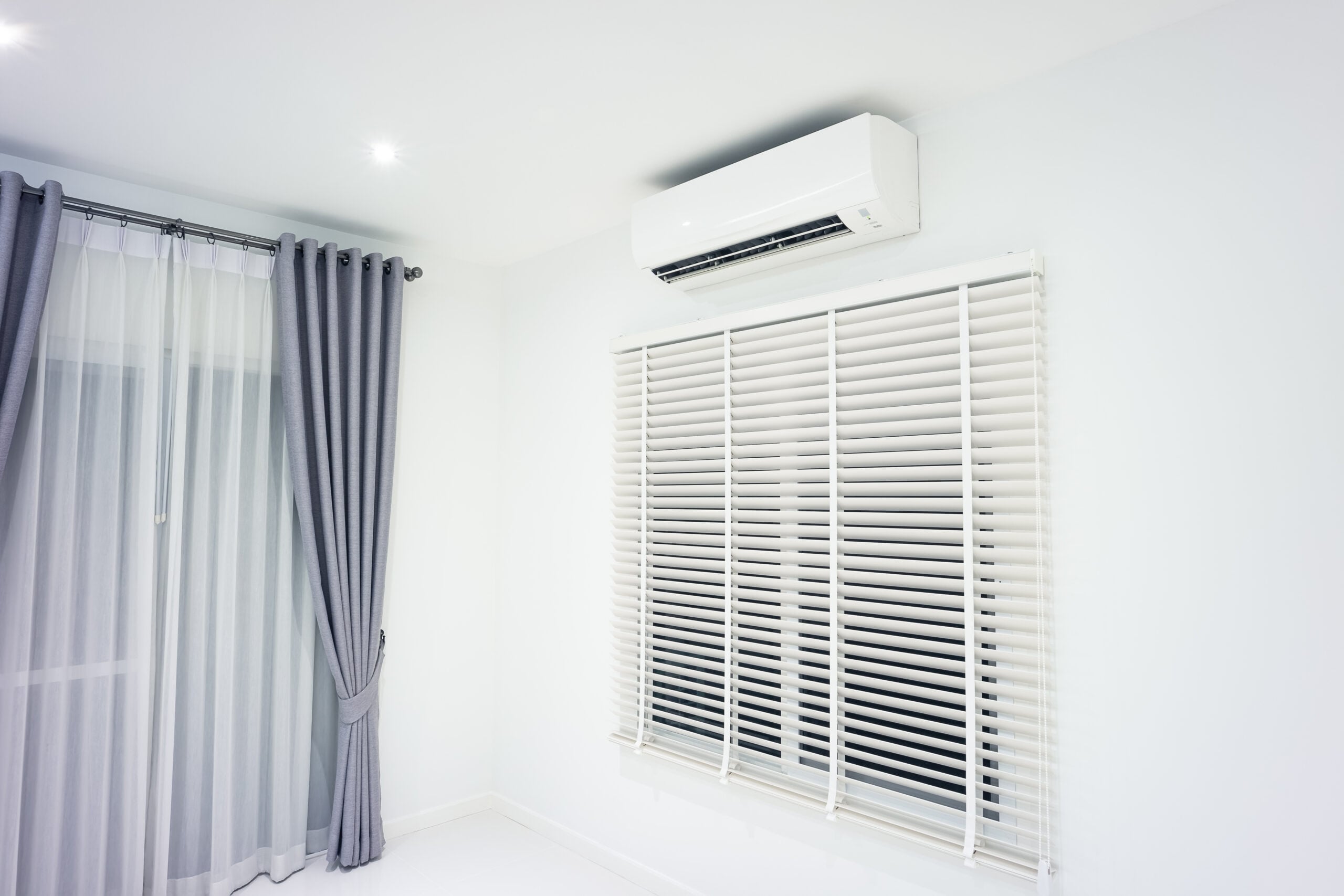
A split type air conditioner is usually the better choice for most homes because it runs quieter, looks cleaner, and can cool larger spaces more evenly. A window-type unit still makes sense if you need the lowest upfront cost, fast installation, or cooling for one small room.
The best air conditioner for a house depends on your layout, your budget, and how often you use the system. Room air conditioners are designed for single rooms, while mini-split systems offer flexible zoning and help avoid duct losses. The wrong size can also hurt comfort and humidity control, so the decision is not only about price.
What Makes Split Type and Window Type Air Conditioners So Different?
A window-type air conditioner is a self-contained unit that sits in a window or wall opening. It cools one room and is often the lower-cost option to buy. The Department of Energy notes that room air conditioners are designed to cool individual rooms, not the entire home. They also tend to be less efficient than larger whole-home options, though they work well in smaller spaces.
A split-type air conditioner has two main parts: an outdoor unit and an indoor air handler connected by refrigerant tubing, a power cable, and a drain line. In most homes, people mean a ductless mini-split when they say split-type AC. This setup cools a room or a group of rooms without using ductwork. It also gives homeowners more control because each indoor unit can serve a specific area.
That design difference shapes almost every buying factor. Window units are simpler and cheaper up front. Split systems cost more to install, but they offer stronger comfort control, quieter operation, and better fit for homes that need more than spot cooling.
Which AC is Best for the Home: A Split AC or a Window AC?
For most owner-occupied homes, split AC is the better long-term choice. It cools more evenly, works well in larger rooms, and can handle problem areas like additions, upstairs bedrooms, home offices, and rooms that stay hot in the late afternoon. Mini splits are often a strong fit for homes without ductwork, older homes, additions, and spaces with hot or cold spots.
Window AC is still a smart pick in some cases. If you live in a small apartment, need cooling in one bedroom, rent your home, or need a lower upfront cost, a window unit may be the best air conditioner for the home right now. It solves an immediate need without a larger installation project. The Department of Energy says room units are ideal for cooling smaller spaces and are less expensive to operate than central units when used to cool a single room rather than the whole house.
So, which AC is best for a home, a split AC or a window AC? Split AC wins for comfort, quiet operation, and long-term value. Window AC wins for budget, speed, and simple single-room use. If you are choosing the best air conditioner for homes where people spend time in several rooms each day, a split AC usually delivers better results.
How Do Installation, Noise, and Upkeep Change the Decision?
AC Installation changes the budget and the long-term result. Window ACs are easier to install, but they still need to sit level for proper drainage and operation. Larger models may also need a dedicated electrical circuit. DOE notes that the largest room units may require 240-volt service, while bigger window units over 7.5 amps need a dedicated 115-volt circuit.
Split systems need professional sizing and placement. DOE warns that poor placement or oversizing can lead to short cycling, wasted energy, and weak humidity control. That matters because a bad install can erase the benefits people expect from a split unit.
Noise is simpler to judge. Window units put the compressor and fan assembly close to the room, so they tend to sound louder indoors. Split systems keep much of that equipment outside, which usually creates a calmer indoor space. For sleep, remote work, and family rooms, that comfort difference matters more than most buyers expect.
An AC tune-up also matters. Filters need regular cleaning in both types. If maintenance slips, performance drops, and common issues arise. Homeowners may experience AC issues, such as:
- Air conditioner not blowing cold air
- Air conditioner freezing up
- AC leaking
- Low airflow
- AC with Poor drainage
- Frozen coils
- Low refrigerant
- Installation faults
Those issues are not limited to one AC type, but poor sizing and skipped maintenance make them more likely. DOE advises choosing units with easy-to-clean filters and keeping systems properly maintained for efficient operation.
What Problems Show Up After Installation, and How Can You Avoid Them?
The biggest mistake is choosing by price alone. A cheap, too-small unit will run too long and still leave the room warm. A unit that is too large may cool quickly but leave moisture behind, making the room feel clammy. DOE specifically warns that oversized air conditioners cool too quickly, failing to dehumidify properly.
The second mistake is ignoring the house itself. Air sealing and insulation affect every cooling system. DOE says efficient operation depends on a properly insulated and air-sealed home. In Fresno-area summers, that can be the difference between a system that keeps up and one that struggles every afternoon.
The third mistake is treating all rooms the same. A sunny second-floor bedroom does not behave like a shaded den. A home office with electronics runs warmer than a guest room. Split AC handles those differences better because it lets you cool specific spaces based on actual use. Window AC can still work, but it is usually best when the cooling need is limited to one well-defined room.
Why Do Homeowners Turn to Us for the Right AC Recommendation?
Home comfort decisions are easier when someone looks at the room, the electrical setup, the sun exposure, the insulation, and how the space is actually used. That is how we help homeowners avoid buying the wrong system.
At Allbritten, we have served Fresno and the Central Valley since 1932, and we handle cooling, heating, plumbing, and electrical work, so we can look at the whole picture. Our team also offers clear estimates, financing options for HVAC projects, and service across Fresno, Clovis, Visalia, and nearby communities.
AC problems rarely arrive one at a time. A home with weak cooling may also have airflow trouble, drainage issues, or an electrical limit that affects installation choices. That is why we help homeowners sort out comfort complaints before they spend money on the wrong answer.
Comfort Works Best When the System Fits the Space
A new air conditioner should make daily life easier, not create years of uneven cooling, noisy operation, or high energy bills. The better choice comes from how you use your space, how long you plan to stay in the home, and how much comfort you want from room to room. A quick, low-cost fix can work in the right setting, but a smarter long-term setup often pays off in comfort and convenience.
For homeowners in Fresno and the Central Valley, we help match the system to the home so you can buy with confidence and avoid costly guesswork. If you are comparing your options and want honest guidance, contact us today.
Frequently Asked Questions
How long does a split type air conditioner usually last compared with a window unit?
A well-installed split type system often lasts longer than a window unit because it is built for heavier use and has separate indoor and outdoor components. A window unit can still last for years with proper care, but it usually has a shorter service life because all parts are packed into one cabinet and exposed to more vibration inside the opening.
Does a split-type air conditioner add value to a home?
In many cases, yes. A split-type system can improve comfort, appearance, and day-to-day usability, especially in homes without ductwork, room additions, or areas with uneven cooling. Buyers also tend to prefer the cleaner look and quieter operation of a window unit.
Can a window air conditioner cool more than one room?
It can cool part of an adjacent room if the layout is open, but it is not designed to cool multiple closed rooms evenly. Walls, doors, and furniture block airflow, so the cooling usually stays strongest in the room where the unit is installed.
Is it more expensive to repair a split AC than a window AC?
In many cases, yes. Split systems have more components, require professional service, and involve refrigerant lines, wiring, and drainage connections. Window units are often simpler to service, but in some cases, replacement makes more sense than repair if the unit is older or the repair cost is too high.
What should homeowners check before buying any air conditioner?
Start with room size, insulation, sun exposure, ceiling height, and the condition of the electrical system. You should also think about how often the space is used, how quiet you want the room to be, and if you need cooling in one room or several. Those details matter more than brand alone because even a good unit will disappoint if it is the wrong fit for the space.