 Over 5,000 5-Star Ratings on Google!

 559-601-0833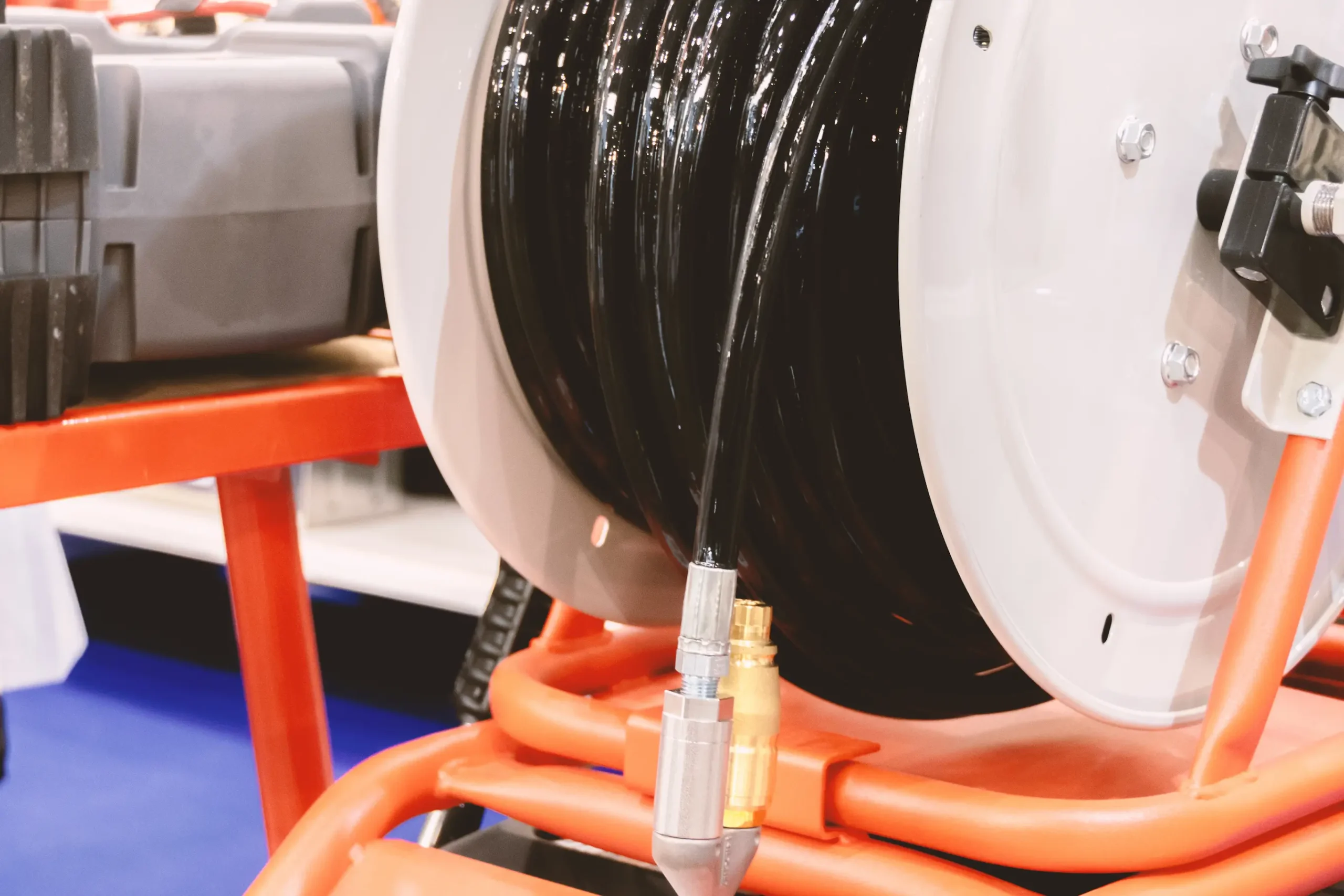
If you have had a plumber snake your main sewer line and the clog came back within a few months, you have already lived through the problem this post is about. Snaking is a useful tool for the right situation. For the wrong one, it just delays the same conversation.
Hydrojetting your main sewer line is a different category of service. Instead of poking a hole through a blockage and restoring temporary flow, it blasts the entire interior of the pipe clean with high-pressure water, removing the buildup that would otherwise catch new debris and create the next clog. The question is not which is better in the abstract. It is which one your specific situation actually calls for, and how to tell the difference before you spend money on the one that will not solve it.
What Hydrojetting Actually Does to Your Sewer Line
Hydrojetting uses a specialized hose fed into your sewer line through a cleanout access point. At the end of the hose is a multi-directional nozzle that blasts pressurized water in forward-penetrating and rear-facing jets simultaneously. The forward jets cut through blockages; the rear-facing jets propel the hose forward and scour the pipe walls. For a main sewer lateral, equipment typically operates at up to 4,000 PSI, which is enough pressure to break apart compacted grease, mineral scale, and tree root intrusions and flush all of it downstream to the municipal main.
The key distinction between hydrojetting and snaking is what each method leaves behind. A snake breaks through the blockage and restores water flow, but it does not remove the material coating the pipe walls. Grease, sludge, and scale that remain after snaking create a surface that new debris sticks to immediately. The pipe is open, but it is not clean. Hydrojetting restores the full interior diameter of the pipe, removing what was causing the clog and what would cause the next one.
Because the process uses only water, it is safe for your plumbing system and introduces no chemicals to the sewer line. A licensed plumber will typically run a sewer camera inspection before jetting to confirm the pipe is structurally sound and to locate the nature and extent of the blockage, which determines the nozzle type and pressure setting used.
Signs Your Main Line Needs Hydrojetting, Not Just A Plumbing Snake
Not every clog calls for hydrojetting, and not every slow drain is a main line problem. Here are the specific signs that point toward a main sewer line blockage that hydrojetting is designed to address.
Multiple drains are slow or backing up at the same time
When a single fixture drains slowly, the blockage is usually isolated to that drain’s branch line. When two or more fixtures, particularly those in different areas of your home, are slow or backing up simultaneously, the problem is almost certainly in the main sewer line, where all your home’s branch lines converge. Snaking an individual fixture does not address the main line but hydrojetting can.
The same clog keeps coming back after snaking
If a plumber has snaked your main line and the clog returned within a few months, snaking was not the right solution for that particular blockage. Recurring clogs after snaking typically indicate either a heavy accumulation of grease and scale coating the pipe walls or a root intrusion that was broken up but not fully cleared. Hydrojetting services address both: They remove wall buildup entirely and are effective against the fibrous root material that snaking tends to leave behind.
You are hearing gurgling from drains or toilets
Gurgling sounds in sinks, tubs, or toilets when you flush or drain water indicate air being trapped by a partial blockage in the main line. The water has to push past the obstruction, displacing air that has nowhere to go except back up through nearby fixtures. This is a sign of partial main line restriction, not a localized clog, and it tends to worsen over time as the restriction grows.
You notice sewage odors without an obvious source
A healthy sewer line maintains a closed system. When root intrusion or significant buildup damages the pipe or creates a sustained blockage, sewer gas can escape through cracks or joints into the surrounding soil and occasionally into your home. Persistent drain odors that are not explained by a dry P-trap or an unused fixture are worth investigating with a camera inspection.
Your home is more than 30 years old and has mature trees in the yard
This is the most relevant combination for Fresno. The Central Valley’s mature tree canopy, combined with the clay-heavy soils and extended dry seasons common in the region, creates near-ideal conditions for root intrusion. During dry periods, clay soil shrinks and pulls away from underground pipes, opening the joints and cracks that roots seek out. Tree roots account for up to 50 percent of sewer backups and overflows in California. Older homes with clay or cast iron sewer laterals are most vulnerable, since those materials are more brittle and prone to joint failures than modern PVC.
When Snaking Is the Right Call Instead
Hydrojetting is not the answer to every sewer problem, and a plumber who recommends it for every situation is not giving you accurate guidance. Here is when snaking is the more appropriate choice.
- A single fixture is backing up and the problem is isolated to that branch line
- The clog is near a fixture, above the main line, and caused by a simple obstruction like hair or a foreign object
- Your pipes are older and fragile, such as corroded cast iron or Orangeburg pipe, and may not tolerate high-pressure jetting
- A camera inspection has confirmed a structural issue, such as a bellied section or a crack, that needs repair before jetting would be effective
In practice, many plumbers will begin with a snake to open the line enough for a camera to pass through, confirm the diagnosis, and then follow with hydrojetting if the camera reveals buildup, roots, or scale that snaking alone cannot address. That sequence gives you the most accurate picture before committing to the more thorough service.
What to Expect During a Hydrojetting Service
A licensed plumber like those at Allbritten accesses your sewer line through a cleanout, a capped pipe fitting installed at ground level that provides direct access to the main sewer lateral. If your home does not have an accessible cleanout, your plumber will identify the best access point before beginning.
The plumber feeds the high-pressure hose into the line and advances it through the pipe, jetting as they go. The nozzle scrubs the pipe walls in all directions while pushing debris and root material downstream toward the municipal sewer main. For lines with significant root intrusion, a cutting nozzle is used to break up the root mass before flushing.
After jetting, your plumber will typically run the sewer camera through the cleared line to confirm the pipe is clean and to check for any structural issues that became visible once the blockage was removed. If the camera reveals a crack, a bellied section, or joint damage, your plumber can discuss repair or relining options at that point, with a clear view of exactly what needs attention.
Frequently Asked Questions
How often should I have my main sewer line hydrojetting done?
For most Fresno homes, a main line cleaning every two to three years is a reasonable preventive schedule, particularly if your property has mature trees close to the sewer lateral. If you have experienced recurring clogs or root intrusion in the past, your plumber may recommend a more frequent interval. A camera inspection can show you the current condition of the line and help determine the right schedule for your specific situation.
Can hydrojetting damage my pipes?
On pipes that are in sound structural condition, hydrojetting does not cause damage. The risk applies to pipes that are already compromised: severely corroded sections, cracked or collapsed pipe, or older Orangeburg pipe that has deteriorated. This is why a camera inspection before jetting matters. A plumber can assess the pipe’s condition and confirm it is suitable for the pressure levels the job requires before beginning.
My drain clog is in the kitchen, not the main line. Does hydrojetting still apply?
Yes, but at lower pressures. Kitchen drain lines collect grease buildup that snaking cannot fully remove, and hydrojetting at a pressure appropriate for smaller diameter lines can clear that buildup thoroughly. If your kitchen drain clogs repeatedly despite snaking, it is worth asking your plumber whether the line is a candidate for jetting rather than another cable service.
How is this different from the drain cleaning service I can buy at a hardware store?
Chemical drain cleaners dissolve some organic material near the drain opening but do not reach deep into the main sewer lateral and cannot address root intrusion, mineral scale, or heavy grease accumulation in the line walls. They can also degrade older pipe materials with repeated use. Professional hydrojetting cleans the entire pipe length at pressures far beyond anything a consumer product approaches, and it leaves no chemical residue in the line.
Clear the Line the Right Way
If your drains are telling you something is wrong, the honest answer is worth knowing before the problem escalates. A camera inspection gives you a clear picture of what is actually in your sewer line. If hydrojetting is the right solution, it resolves the problem thoroughly. If it is not, you will know exactly what is and what your options are.
Allbritten’s licensed plumbers serve Fresno and the surrounding Central Valley with drain cleaning, camera inspections, and hydrojetting services. Call us or schedule a service appointment online to get started.