 Over 5,000 5-Star Ratings on Google!

 559-601-0833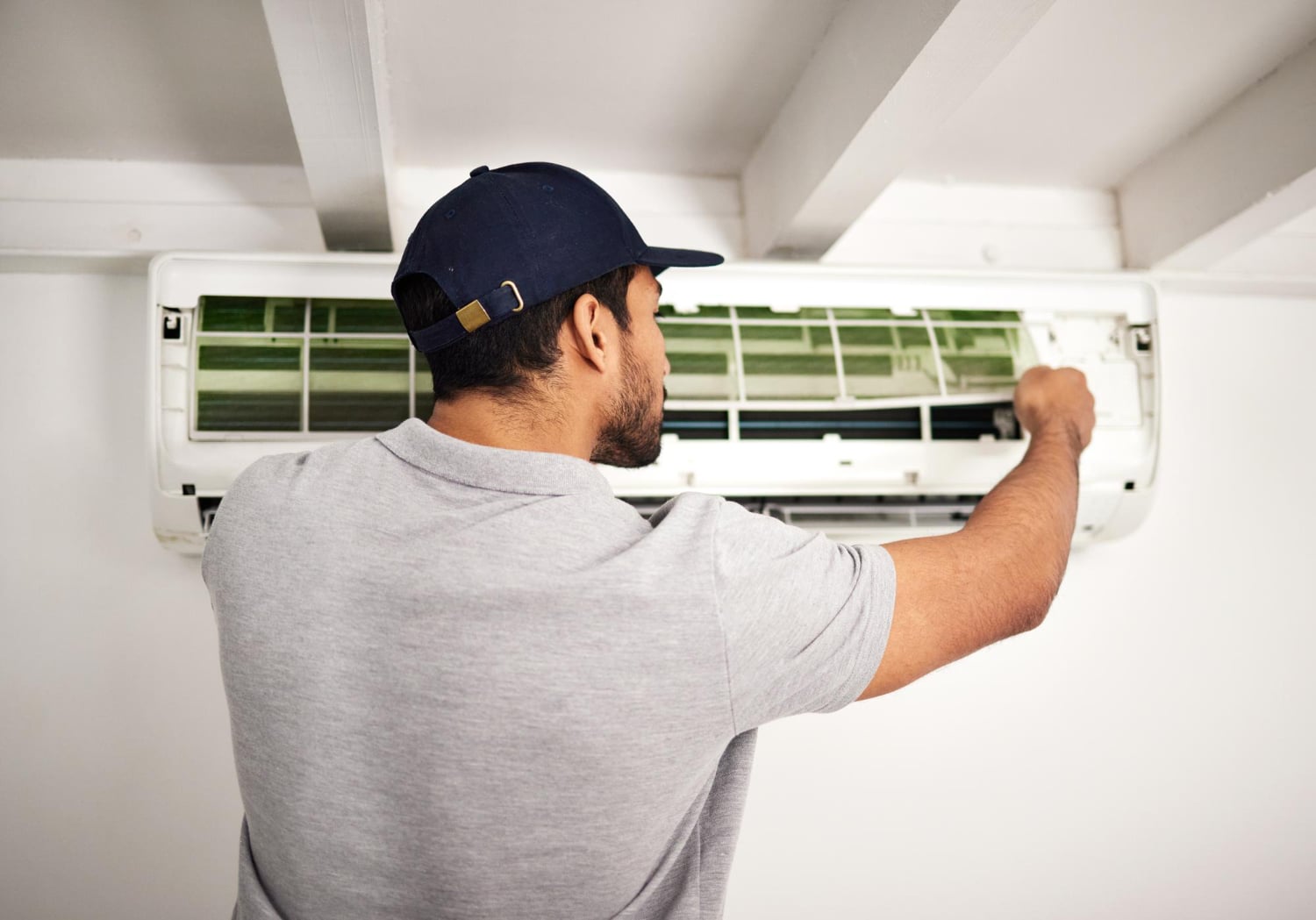
Protecting Your Home and Family When the AC Quits
When the AC stops during a Fresno heatwave, the house can heat up fast. Indoor temperatures can climb higher than the outside air, especially in the late afternoon. That can be risky for your family, your pets, and even your home itself. Knowing what to do in the first hour makes a significant difference while you wait for home AC repair.
Heat affects some people more severely than others. Young children, older adults, pets, and anyone with a medical condition are at higher risk. In a closed-up home, conditions can move from uncomfortable to unsafe more quickly than most people expect. In this guide, we provide clear, practical steps that help keep everyone safe and make it easier for a technician to fix the problem when they arrive.
For more than 50 years, our team at Allbritten has been helping Fresno-area families through hot-weather emergencies. As the local heating and cooling authority, we use the same calm, step-by-step approach in this guide that our technicians use in person, so you have a trusted plan to follow when your AC suddenly quits.
First Things First: Safety Checks Before Anything Else
Start with health and safety. Comfort comes second.
Watch for warning signs of heat stress such as headache, dizziness, nausea, confusion, or heavy sweating that suddenly stops. If anyone seems faint, confused, or has trouble breathing, get them to a cooler place right away and seek medical help. Safety matters more than saving food or keeping the house tidy.
Next, perform a quick, no-tools check of your system:
- Check your thermostat:
- Make sure it is set to “Cool” and the temperature is lower than the room.
- Replace batteries if it uses them.
- Confirm the system has power:
- Look at your breaker panel for any tripped breakers. Reset once if needed.
- If there is an outdoor disconnect switch near the AC unit, make sure it is not obviously off.
Use your eyes and your sense of smell. If you smell burning, see sparks, or notice melted or scorched areas around the indoor or outdoor unit, turn the system off at the thermostat and at the breaker. Do not turn it back on. Wait for a professional to inspect it.
Avoid DIY fixes that go beyond these simple checks:
- Open sealed panels or electrical compartments
- Try to work on wiring
- Attempt to recharge refrigerant or “top it off”
- Bypass safety switches or fuses
These jobs are unsafe without training and can damage the system. Our Fresno technicians handle this type of work every day with the right tools and safety procedures, so you do not have to take that risk.
Smart Temporary Cooling Tactics That Actually Help
Once safety is addressed, focus on keeping at least part of the house livable until home AC repair is completed. Start by creating a cooler “safe zone.”
Pick one central room or a bedroom on the lowest level if you have more than one story. Then:
- Close doors to unused rooms so you are cooling less space
- Close blinds or curtains, especially on sunny sides of the house
- Set up fans to move air into your safe zone
Use box or pedestal fans to pull cooler air from hallways or shaded rooms into your safe area. Ceiling fans should spin so they blow air downward. This does not lower the room temperature, but the air movement helps sweat evaporate from your skin, which makes you feel cooler.
If your AC is completely off or blowing hot air, the “fan only” setting on your thermostat may help move air. However, if the system has been tripping the breaker, making burning smells, or forming ice, do not use the fan setting. Leave the system off and rely on portable fans.
In the Central Valley, outside air is often cooler late at night and early morning. When the temperature drops:
- Open windows on opposite sides of the home to create a cross breeze
- Use fans to pull cooler air in and push warmer air out
- Close windows and curtains again as soon as the sun starts heating up
For quick personal cooling:
- Take cool (not ice-cold) showers
- Use damp, cool towels on your neck, wrists, and ankles
- Sip chilled water regularly
- Place a cold water bottle on pulse points like the wrists or behind the knees
These steps help lower your body temperature, not just your skin, which is especially important when the house is hot.
Cooling Your House While Protecting Your System
While you are keeping everyone as comfortable as possible, you also want to avoid extra strain on your AC and your home.
Adjust daily habits to reduce indoor heat:
- Skip the oven and use a microwave or grill outside
- Run the dishwasher or laundry only in cooler hours, if at all
- Turn off unneeded lights and electronics that give off heat
- Keep blinds and curtains closed on sun-facing windows during the hottest part of the day
If your system is running but struggling, resist the urge to drop the thermostat very low. Setting it much lower than normal will not cool your home faster; it simply forces the system to run longer and harder. That can turn a small issue into major damage.
If the AC is making loud or harsh noises, blowing warm air, or cycling on and off quickly, it is safer to turn it off and wait for a technician. Running a failing system nonstop may lead to a more extensive home AC repair later.
Protect your home and belongings as well. When the house stays closed up and warm:
- Try to keep indoor humidity in check with a portable dehumidifier if you have one
- Avoid leaving refrigerator and freezer doors open longer than needed
- If safe, crack the attic access door or use an attic fan to help trapped heat rise away from living spaces
These steps help protect wood floors, cabinets, and furniture from swelling and warping.
What to Check and Document Before Your Tech Arrives
You do not need to troubleshoot like a professional, but a few notes and photos can save time when your technician arrives.
- Air filter condition: If it is easy to access, see if it is clogged or dirty. Do not reach into tight spaces or remove panels to find it.
- Ice buildup: Check visible refrigerant lines and the outdoor unit for frost or ice. If you see ice, turn the system off.
- Odd noises: Rattling, grinding, or loud buzzing are worth writing down.
- Thermostat messages: Take a photo of any error codes or unusual messages and do not clear them.
Also, note the system’s behavior:
- When did the AC stop working or start acting differently?
- Was it blowing warm air before it quit?
- Did the breaker trip once or many times?
- Have there been any recent changes such as a new thermostat, electrical work, remodeling, or new plants or structures near the outdoor unit?
If you know the system age and brand, the last time it was serviced, and any past issues, note those as well. Photos or short videos of strange sounds, ice, or leaking can help the technician prepare before they get to your door.
When to Leave Home and Use Community Resources
Sometimes the safest choice is to leave the house for a while. Watch the indoor temperature. Once it climbs into very hot territory, many families, especially those with health concerns, do better in a cooler place.
Be especially careful with:
- Infants and young children
- Older adults
- People with heart or breathing issues
- Pets, especially those with thick fur or short noses
If anyone is feeling weak or sick from the heat, it is time to get to a cooler space such as a cooling center, a public place with AC, or a trusted friend or family member’s home.
Pack a small bag with:
- Medications and medical devices
- Phone chargers
- Snacks and water
- Pet food, leashes, and any needed crates
- Light clothing and a thin blanket or sheet
Before you leave, protect your home:
- Close shades, blinds, and interior doors to limit sun and trapped heat
- Lock doors and windows
- If safe, leave a few interior doors slightly open for airflow
- You may leave fans or a dehumidifier running on stable outlets, away from water and clutter
Calling Allbritten for a Lasting Fix
When you are ready to set up home AC repair, all the notes you gathered will be helpful. Share what you observed, what you tried, and who in your home is most at risk from the heat. Clear, simple information helps our dispatch team send the right technician with the tools and parts that are likely needed.
When the technician arrives, it is a good time to ask about the future of your system. For older units, repair is not always the best long-term choice. As the Central Valley’s trusted HVAC authority for more than 50 years, we can explain whether repair or replacement makes more sense, which maintenance tasks can help prevent heatwave breakdowns, and how to set your thermostat and use your ducts wisely for our long Fresno summers.
Many homeowners find that regular tune-ups before peak heat, upgraded controls, and a quick check of electrical capacity reduce emergencies later on. Our team has been serving the Central Valley for over five decades, and we are always focused on safe, steady comfort that lasts through every heatwave.
Protect Your Home Comfort and Power Reliability Today
If your AC is struggling or you are worried about staying comfortable during an outage, we are here to help keep your home safe and livable in every season. From expert home AC repair to reliable backup power solutions, Allbritten provides trusted service tailored to your needs. Reach out anytime and let our team restore your comfort and peace of mind, or contact us now for emergency support.