 Over 5,000 5-Star Ratings on Google!

 559-601-0833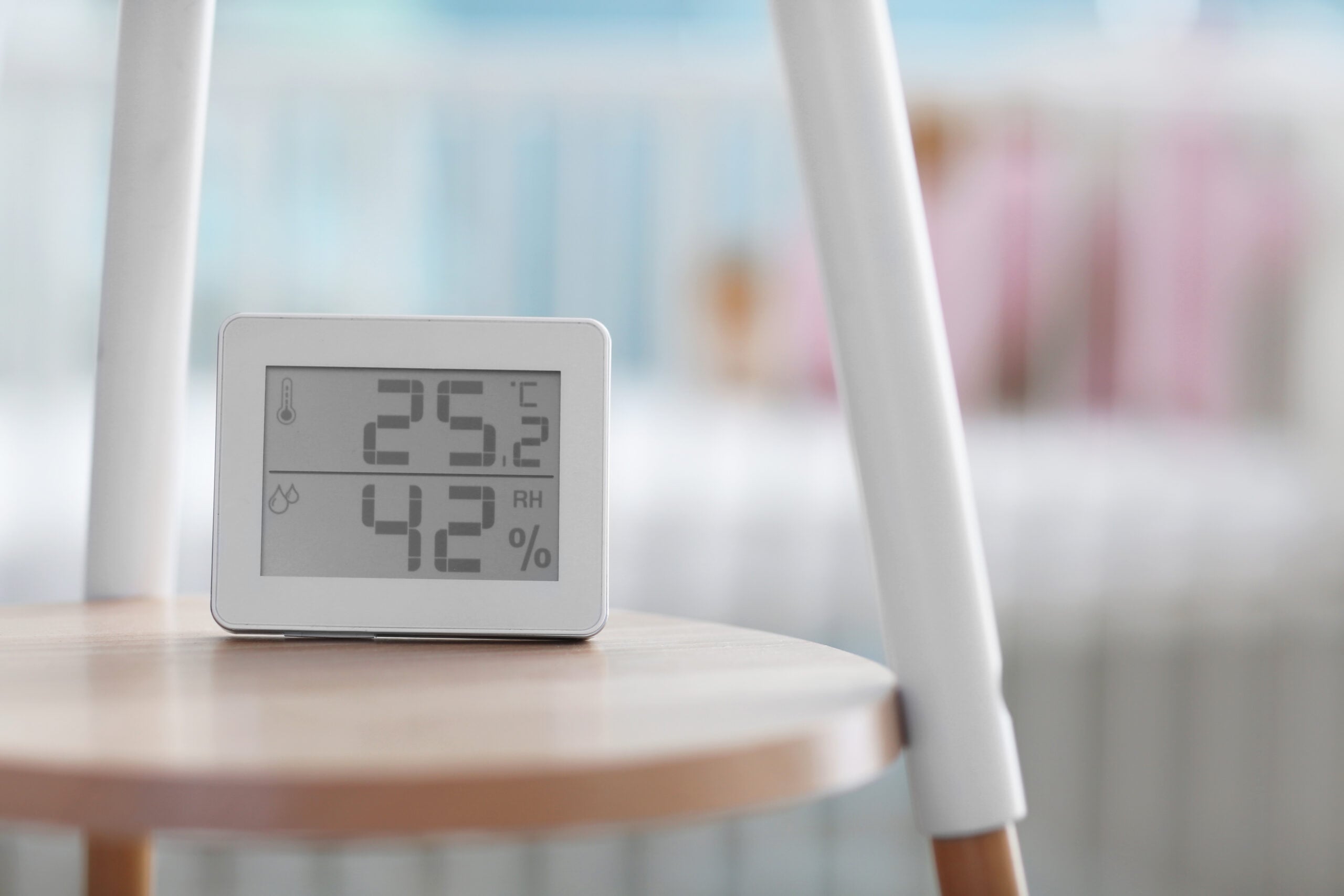
If your house feels cool but still sticky, the best air conditioner for home that handles humidity well is usually a properly sized central air system or heat pump with strong moisture removal, longer run times, and variable-speed performance. Bigger is not better.
In fact, oversized systems often cool the house too fast and shut off before they pull enough moisture from the air. That is why the best setup for a humid home starts with the right load calculation, then adds the features that improve dehumidification and airflow.
Why Does an Air Conditioner Matter So Much in a Humid Home?
An air conditioner does more than lower the temperature. It also removes moisture as warm indoor air passes over the evaporator coil. That matters because indoor humidity should stay around 30% to 50% for comfort and indoor air quality. When humidity stays too high, rooms feel muggy, airflow feels heavy, and mold risk can rise.
This is why shoppers looking for the best AC unit for high humidity should focus on moisture control as much as cooling power. A unit that keeps the thermostat at 72 but leaves the house damp is not doing the full job.
What Type of Air Conditioner Handles Humidity Best in a House?
For most homes, the best choice is a central air conditioner or heat pump with variable-speed or two-stage operation. These systems can run longer at lower output, which helps them remove more moisture without sharp temperature swings. In a humid home, that longer run time is often more valuable than raw cooling speed. Systems that are too large can short-cycle, which hurts dehumidification. If you are comparing options, here is the practical order for whole-home humidity control.
Central variable-speed systems tend to perform best. Two-stage systems can also perform well. Single-stage systems can work well if sizing, airflow, and ductwork are right. Window units and portable units can help in one room, but they are rarely the best answer for whole-home comfort in a humid climate.
ENERGY STAR also notes that for room air conditioners, proper sizing is important because an oversized unit can leave the room damp and clammy.
What Features Should You Look for if Humidity Is the Main Problem?
If moisture control is high on your list, pay attention to features that help the system stay on long enough to pull water from the air.
A variable-speed blower is one of the best upgrades because it can move air more precisely and support longer, steadier cycles. A two-stage or variable-capacity compressor can also improve comfort by avoiding hard on-and-off swings.
Some thermostats and air handlers include dehumidification settings that slow the fan or prioritize latent removal. Good filtration and sound duct sealing help too, because poor airflow and duct leaks can drag down performance. Correct sizing still comes first. After that, these features help separate an average system from the best AC unit for a humid climate.
How Do You Know if Your Current AC Is Not Controlling Humidity Well?
A humidity problem does not always look dramatic. Sometimes the signs are subtle. Your home may feel cold and clammy at the same time. The AC may run in short bursts. You may notice a musty odor, condensation near vents, or a house that feels sticky even with the thermostat set low. These are often signs that your AC system needs repair, not just high indoor humidity.
In some homes, warm and cool spots appear because the unit is cycling too quickly to keep conditions even. Oversized equipment is one common cause, but poor maintenance, clogged filters, low airflow, and duct issues can also contribute.
That is why the buying decision should not stop at brand or SEER rating. The system has to fit the house and the local conditions.
How Important Is Proper Sizing for the Best AC Unit for High Humidity?
It is one of the most important parts of the decision. The Department of Energy and ENERGY STAR both stress that the right-sized system is better for both cooling and dehumidification. ACCA guidance also points to load calculations and proper design as essential for humidity control and to avoid short cycling.
A good contractor should look beyond square footage. They should review insulation levels, window area, ceiling height, orientation, duct layout, and air leakage. That process is often called a Manual J load calculation. If a contractor recommends a new system without measuring the home, that is a red flag.
Can a Room Air Conditioner Work Well in a Humid Climate?
It can, but only in the right setting. A room unit can help with a single bedroom, an office, a garage conversion, or an older space without a ducted system. Still, the same rule applies. It must be sized correctly. ENERGY STAR states that an oversized room AC cools the room but removes only some of the humidity, which leaves a damp, clammy feel. It also advises using a low fan speed on humid days to improve moisture removal.
So if you are shopping for the best home air conditioner that handles humidity well, a room unit is usually a targeted fix, not the best whole-home answer.
What Else Helps an Air Conditioner Control Indoor Moisture Better?
A good AC does not work alone. Humidity control improves when the whole house supports it.
Start with airflow. A dirty filter can restrict circulation and reduce performance. Bathroom and kitchen exhaust fans help remove moisture at the source. Duct leaks, poor attic insulation, and weak ventilation can also make the AC work harder.
In homes with persistent moisture issues, a whole-home dehumidifier may make sense alongside the cooling system. EPA guidance also recommends monitoring indoor humidity and keeping it in the 30% to 50% range when possible.
In other words, the best air conditioner for a humid climate works best when the home is set up to support it.
How Can We Help if Your Home Still Feels Damp After the AC Runs?
A humid, sticky house usually points to one of a few issues: poor system sizing, short cycling, weak airflow, dirty components, duct leakage, or a system that simply cannot keep up with the home. We help homeowners sort that out with a full assessment of the AC system rather than a quick guess. That means checking how the unit is performing, how the air is moving through the house, and if the equipment matches the home’s actual cooling load.
Our team handles air conditioning service, installation, duct-related comfort issues, and indoor air quality solutions throughout Fresno and surrounding communities. Allbritten has served the area since 1932, offers HVAC, plumbing, electrical, and ventilation services, and provides 24/7 emergency service with no extra charge for nights, weekends, or holidays.
Dryer Air, Better Comfort, Smarter Cooling
A good air conditioner should do more than make the thermostat look right. It should make your home feel dry, steady, and comfortable from morning to night. That difference shows up in how you sleep, how your rooms feel in the afternoon, and how hard your system has to work through the season.
At Allbritten, we help homeowners make smart cooling decisions that hold up over time. If you are dealing with a damp house, uneven comfort, or an AC that never seems to feel right, we can help you find a better solution. Contact us today.
Frequently Asked Questions
Does a lower thermostat setting remove more humidity?
Not always. Lowering the thermostat may make the room feel colder, but it does not always improve moisture removal. In many homes, humidity control depends more on run time, airflow, and system sizing than on pushing the temperature down. If the unit is oversized, it can reach the set temperature too quickly and shut off before removing enough moisture.
Is a heat pump a good option for a humid home?
Yes, a heat pump can be a strong option for a humid home when it is sized and installed correctly. Many newer heat pumps offer variable-speed performance, which helps achieve longer, steadier run times. That can improve moisture removal and indoor comfort during the cooling season.
Should I add a whole-home dehumidifier if I already have air conditioning?
In some homes, yes. If your AC is in good shape but indoor humidity still stays high, a whole-home dehumidifier can help remove excess moisture without overcooling the house. This can be especially helpful in homes with ventilation issues, moisture intrusion, or comfort problems in certain rooms.
Can ductwork affect how humid my house feels?
Yes, poor ductwork can make a major difference. Leaky ducts, weak return airflow, or bad duct design can reduce system performance and leave some rooms feeling damp or uneven. Even a high-quality AC system can struggle if the air distribution system isn’t functioning as it should.
How often should an AC system be checked in a humid climate?
It is smart to have it checked at least once a year before peak cooling season. In a humid climate, regular maintenance helps keep the coil clean, airflow steady, and drainage working properly. That supports better comfort, better moisture control, and fewer mid-season breakdowns.