 Over 5,000 5-Star Ratings on Google!

 559-601-0833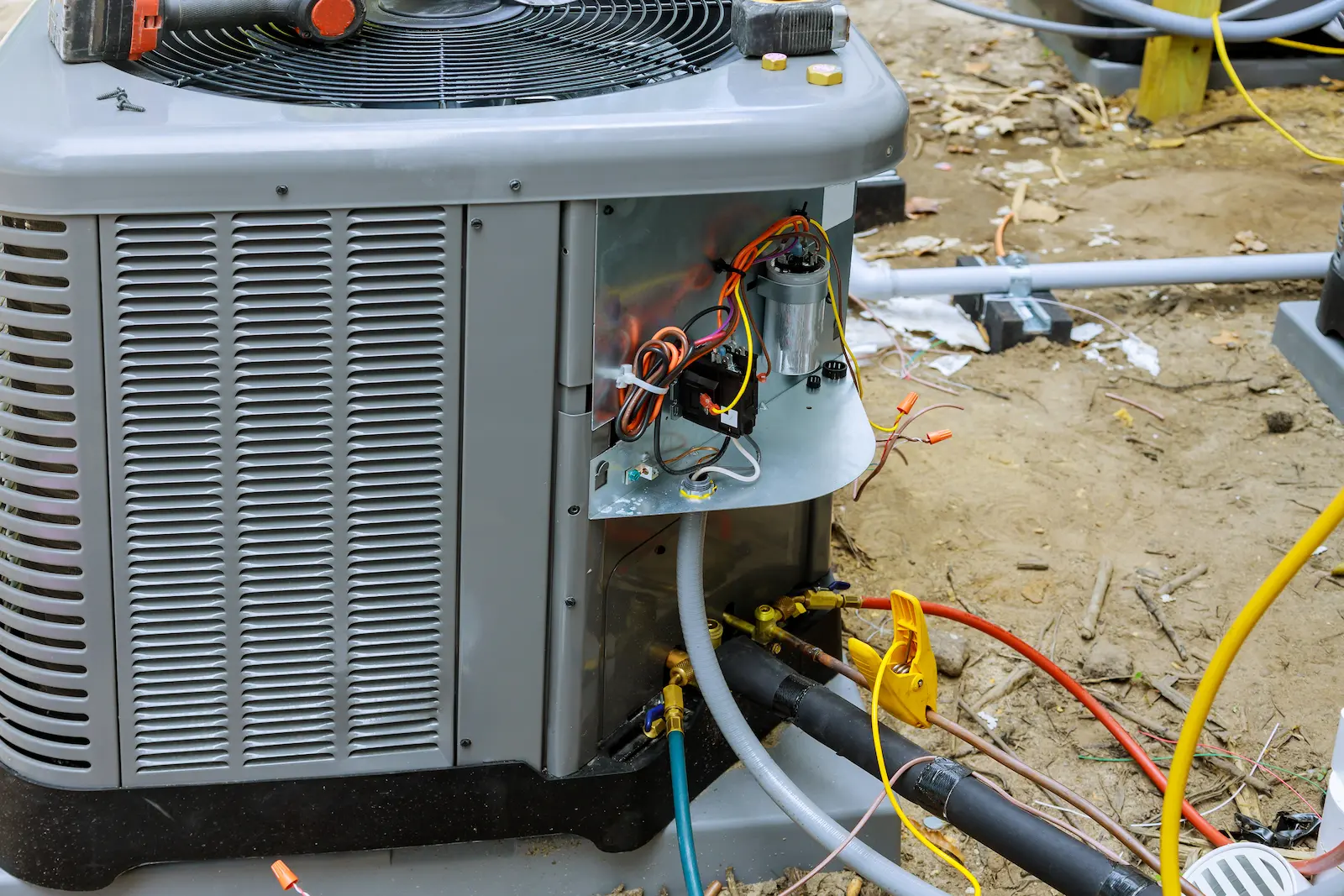
Few things are more frustrating than switching on your AC during a Fresno summer only to feel warm air blowing through the vents. When it’s 100° outside, you don’t have time for your system to play games—you need cool air, and you need it fast.
The good news? Not every AC problem requires an immediate (and expensive) repair call. Sometimes, the fix is simple and something you can check on your own before reaching out to a professional.
Here’s what might be happening when your AC is blowing warm air, and when it’s time to pick up the phone.
Common Causes of Warm Air from Your AC
Your cooling system has several moving parts, and just one small issue can throw the whole system off. At Allbritten, these are some of the most common culprits we see when a unit starts pushing warm air instead of cold:Refrigerant Leaks
Refrigerant is the lifeblood of your AC—it absorbs heat from the air and cools your home. If there’s a leak, your system won’t have enough refrigerant to do the job, which means warm air coming out of your vents. You may also notice hissing noises, ice buildup on the refrigerant lines, or higher-than-usual energy bills. This isn’t something you can fix on your own. Only a licensed technician can safely repair leaks and recharge your system with the proper amount of refrigerant.Capacitor Failures
Your AC has capacitors that help start and run the motors. When a capacitor fails—often due to summer heat or electrical surges—the system may struggle to turn on, cycle on and off frequently, or blow warm air. Because capacitors carry a strong electrical charge, this is a repair best left to professionals.Thermostat Malfunctions
Sometimes the problem isn’t your AC at all—it’s your thermostat. If it’s set incorrectly, has dead batteries, or isn’t communicating properly with your system, it could cause warm air issues. This is one of the easiest things to check on your own before calling for service. Quick Checks You Can Do Before Calling a Pro Before you reach out for AC repair, take a few minutes to troubleshoot. These quick steps might save you time, money, and frustration:- Check your thermostat. Make sure it’s set to “cool” (not just “fan”) and at the right temperature. Replace the batteries if needed.
- Inspect your air filter. A clogged filter restricts airflow and can cause your system to overheat or shut down cooling functions.
- Look at your circuit breaker. A tripped breaker may prevent your system from running correctly. Reset it and see if that fixes the problem.
- Check the outdoor unit. Clear away leaves, dirt, or debris that might block airflow around the condenser.