 Over 5,000 5-Star Ratings on Google!

 559-601-0833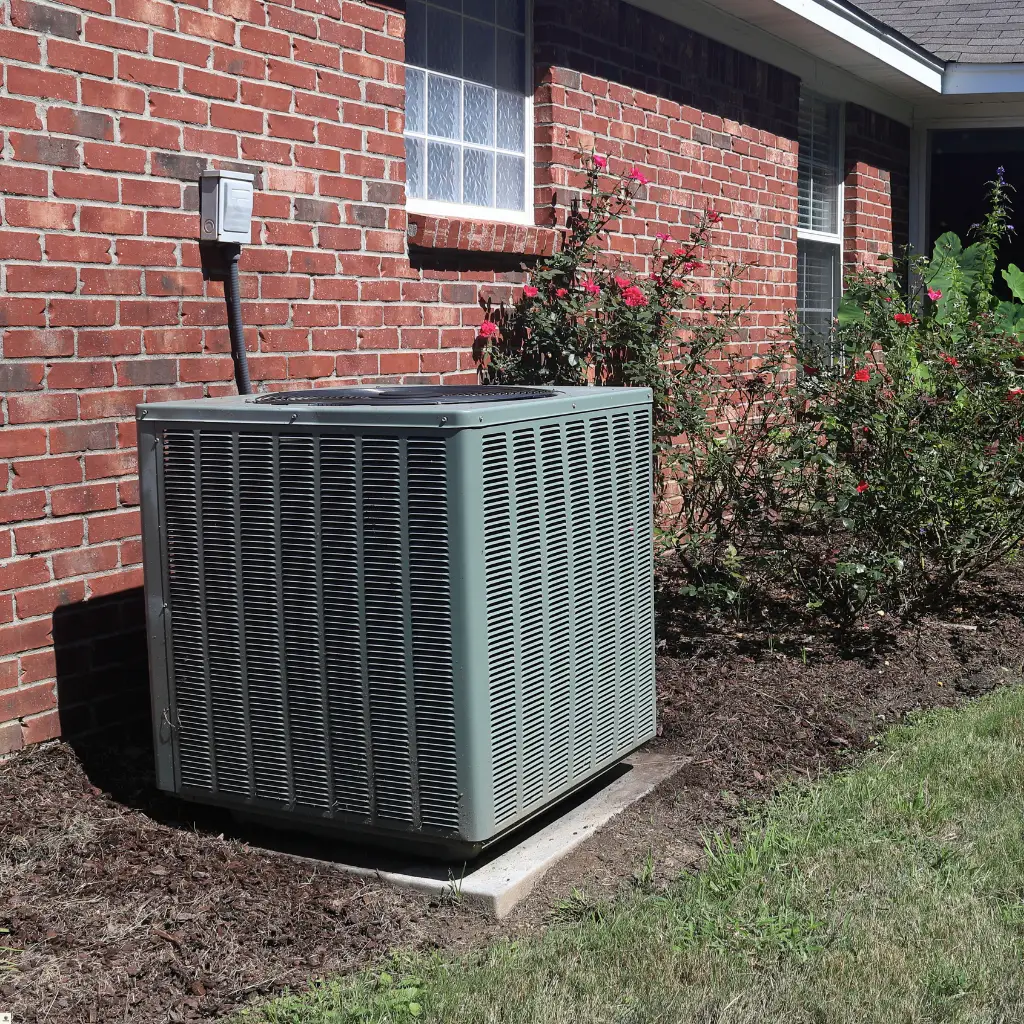
Most homeowners assume that if a new HVAC system was installed by a contractor, it was installed correctly. That assumption is expensive. According to the U.S. Department of Energy, studies estimate that more than 65 percent of residential HVAC systems have been improperly installed, resulting in equipment consuming 20 to 30 percent more energy than necessary.
The frustrating part is that a bad installation isn’t always obvious right away. The system runs, the air is cool, and there’s no immediate breakdown. The problems show up gradually: energy bills that creep upward, rooms that never quite reach the right temperature, a system that seems to run constantly. By the time most homeowners notice something is wrong, the installation error has been quietly costing them money for months or years.
This post covers what to look and listen for, both in how your system performs and in how it was physically set up, so you can spot a potentially improper hvac install before it becomes a bigger problem.
Performance Sight 1 – Rooms That Never Reach the Right Temperature
If certain rooms in your home consistently run hotter or colder than others, the most likely culprit is an improperly designed or installed duct system. Ducts that are undersized, poorly routed, or disconnected at a joint can’t deliver the right volume of conditioned air to every part of the house. Rooms at the far end of the run, or rooms served by a duct with a sharp bend or a kink, end up with weak airflow regardless of what the thermostat says.
This problem is particularly common in older Fresno homes where ductwork runs through attics that reach extreme temperatures in summer. If the ducts aren’t properly sealed and insulated in those spaces, a significant portion of the conditioned air never makes it to the room it was meant to cool.
Performance Sign 2 – Short Cycling (When System Turns On/Off Too Often)
An HVAC system that starts a cooling or heating cycle and then shuts off after just a few minutes, only to kick on again shortly after, is short cycling. This is almost always a sizing problem. A system that is too large for the home cools the air near the thermostat quickly, satisfies the sensor, and shuts off before the rest of the house has had time to reach a comfortable temperature. The result is uneven comfort, excessive wear on the compressor, and higher energy costs from all those start-up cycles.
Proper sizing requires a Manual J load calculation that accounts for the home’s square footage, insulation levels, window placement, ceiling height, and local climate. A contractor who sizes a replacement unit by simply matching the tonnage of the old system, without running the calculation, is skipping a step that directly affects how well the system performs.
Performance Sign 3 – Energy Bills That Are Higher Than Expected
A new HVAC system should reduce energy costs compared to an aging unit. If your bills went up after installation, or simply never came down to where they should be for a high-efficiency system, installation errors are a likely explanation. NIST research found that improper installation can increase household energy use for heating and cooling by up to 30 percent. Leaky ducts, incorrect refrigerant charge, and restricted airflow are the three most common faults, and any one of them can push energy costs well above what the system’s rated efficiency would suggest.
Performance Sign 4 – The System Runs Constantly Without Reaching the Set Temperature
A properly sized and installed HVAC system should be able to maintain your set temperature during normal conditions. If the system runs for long stretches without satisfying the thermostat, the unit is either undersized for your home’s cooling load, losing conditioned air through duct leaks before it reaches the living space, or struggling with a refrigerant charge that was set incorrectly at installation. All three are installation problems, not equipment failures.
Performance Sign 5 – Humidity Feels Wrong
Air conditioning does two things: it cools the air and it removes moisture. A system that’s oversized cools the air so quickly that it shuts off before it has time to adequately dehumidify the space. In the Central Valley, where summer heat is dry but indoor humidity can still be uncomfortable, an oversized system often leaves the air feeling clammy or stuffy even when the temperature reads correctly. If your home feels muggy despite the AC running, oversizing is worth investigating.
Physical Sign 1 – The Outdoor Condenser Unit Doesn’t Have Adequate Clearance
Walk outside and look at your condenser unit. It needs open space around it to release heat effectively. The standard minimum is two feet of clearance on all sides, with nothing directly above blocking airflow. If the unit is wedged against a fence, boxed in by landscaping, sitting too close to the home’s exterior wall, or has a deck built over it, it can’t dissipate heat properly. The system works harder, runs hotter, and loses efficiency. This is a basic site selection issue that a careful installer avoids.
Physical Sign 2 – The Indoor Unit Is Located in an Unconditioned Space Without Proper Insulation
Air handlers and ductwork installed in attics or garages in the Central Valley face extreme conditions. Attic temperatures in Fresno regularly exceed 140 degrees in summer. If the air handler itself is in the attic and wasn’t properly insulated, or if the duct runs through that attic aren’t wrapped and sealed, the system is working against the heat of the space it’s sitting in. Look for bare, uninsulated duct sections in attic spaces, or an air handler that appears to have no insulation between it and the surrounding air.
Physical Sign 3 – Visible Gaps, Disconnections, or Tape-Only Connections in the Ductwork
If you can access your attic or crawlspace, look at the ductwork. Properly installed ducts are sealed at every connection with mastic sealant or metal-backed tape, not standard duct tape, which dries out and fails within a few years. Look for sections that appear to have pulled apart, flex duct with sharp bends that pinch the airway, or connections that rely solely on duct tape that’s already peeling. These are visible signs of installation shortcuts that reduce airflow and waste conditioned air.
Physical Sign 4 – The Thermostat Is in a Poor Location
Thermostat placement matters more than most homeowners realize. A thermostat installed near a window that gets direct afternoon sun, next to a supply vent, in a room with a cooking appliance nearby, or in a rarely used hallway will read temperatures that don’t reflect what the rest of the house feels like. The system responds to what the thermostat senses, not what your living room actually is. If your system seems to satisfy the thermostat while leaving your main living areas uncomfortable, thermostat placement is worth checking.
Physical Sign 5 – Refrigerant Lines Are Uninsulated or Improperly Run
The refrigerant lines connecting your indoor air handler to the outdoor condenser should be insulated along their entire run, particularly the suction line, which carries cold refrigerant back to the compressor. Bare, uninsulated suction lines sweat, lose efficiency, and can eventually develop condensation issues. If you see refrigerant lines running along an exterior wall or through an unconditioned space without insulation wrapping, that’s a sign the installation didn’t follow proper procedure.
What to Do If You Recognize Signs Of An Improper HVAC Install
Identifying a potential installation problem is step one. Step two is getting a second opinion from a licensed HVAC technician who wasn’t involved in the original installation. A thorough diagnostic visit should include:
- A check of the refrigerant charge against manufacturer specifications
- An airflow measurement to confirm the system is delivering the right volume to each zone
- An inspection of accessible ductwork for leaks, disconnections, or improper insulation
- A review of the system’s sizing relative to a Manual J calculation for your home
- A thermostat location and calibration check
Some installation problems, like a miscalibrated refrigerant charge or an accessible duct disconnection, are straightforward to fix. Others, like a fundamentally oversized system or ductwork that was never designed correctly, may require more significant work. A good technician will give you an honest assessment of what can be corrected and what the realistic outcomes are so you can make an informed decision.
Frequently Asked Questions About Improper HVAC System Installs
How common is improper HVAC installation?
More common than most homeowners expect. The U.S. Department of Energy cites studies estimating that more than 65 percent of residential HVAC systems have been improperly installed. The most frequent errors involve incorrect sizing, leaky or undersized ductwork, and improper refrigerant charge.
My system is only two years old. Can it still have been installed incorrectly?
Yes. Age has no bearing on installation quality. A system installed incorrectly on day one will continue operating with those errors until they’re diagnosed and corrected. In fact, installation errors are often easier to confirm on newer systems because age-related wear isn’t yet a confounding factor.
Will an AC tune-up catch installation problems?
A thorough AC tune-up can surface several installation-related issues, including low refrigerant charge, airflow restrictions, and thermostat problems. However, a full diagnostic focused specifically on installation quality, including ductwork inspection and load calculation review, may go beyond what a standard maintenance visit covers. If you suspect an installation problem, mention it specifically when scheduling so the technician knows to look for it.
Can I fix a bad HVAC installation myself?
Some visual issues, like clearing debris away from the condenser unit, are safe to handle yourself. Anything involving refrigerant, ductwork modification, electrical connections, or system sizing requires a licensed HVAC technician. Refrigerant handling in particular is regulated by the EPA and should only be performed by certified professionals.
Does a bad installation void the equipment warranty?
It can. Most HVAC manufacturers require installation by a licensed contractor according to the manufacturer’s specifications as a condition of the equipment warranty. If a system was installed by an unlicensed contractor, or if it can be shown that the installation deviated from manufacturer requirements, warranty claims may be denied. This is another reason to have a second opinion on a system that’s showing signs of installation problems early in its life.
A Second Opinion Costs Less Than Years of High Energy Bills & An Uncomfortable Home
A properly sized and installed HVAC system should keep your home comfortable, run efficiently, and last for its full expected lifespan. When installation errors are in play, none of those things happen on schedule. Energy bills run higher than they should, the system ages faster from extra stress, and comfort problems persist because the root cause was never addressed.
If you recognize any of the signs above in your home, an honest diagnostic visit is the most efficient next step. Allbritten’s NATE-certified technicians have served Fresno and the Central Valley since 1932 and can assess whether your system is performing the way a proper installation should deliver. Call us or schedule a service visit to find out what your system is actually doing and what, if anything, needs to be corrected.