 Over 5,000 5-Star Ratings on Google!

 559-601-0833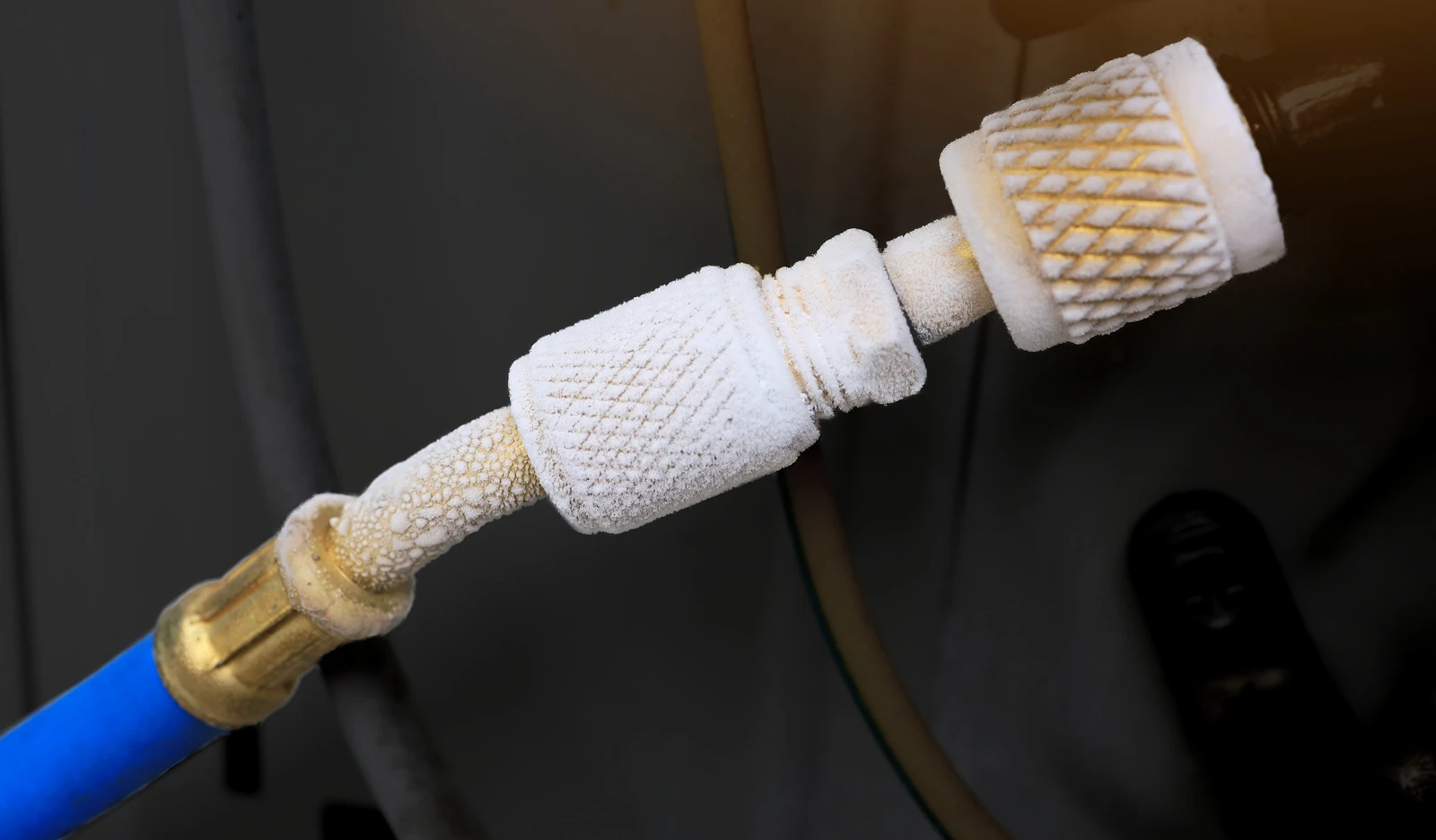
When Fresno’s summer heat is in full swing, your air conditioner is working overtime to keep your home cool. But if your system has a refrigerant leak, you could be heading straight for discomfort and costly repairs. Low refrigerant doesn’t just affect how cool your home feels—it can lead to major system damage if ignored.
Why You Can’t Afford to Wait
It’s tempting to put off AC maintenance, especially when your system is still running. But even a small refrigerant leak can quickly snowball into a serious issue. Your AC may have to work harder and longer to cool your home, leading to higher energy bills and increased wear on components. Left unchecked, this can cause compressor failure, one of the most expensive repairs an AC unit can face. And let’s not forget about indoor air comfort. A system low on refrigerant won’t dehumidify effectively, which can leave your home feeling sticky and uncomfortable—right when you need relief the most.How to Spot and Prevent Refrigerant Leaks
Catching a refrigerant leak early can save you from hours of discomfort, rising utility bills, and expensive AC repairs. While refrigerant doesn’t get “used up” like gas in a car, it can escape through small cracks or holes in the refrigerant lines. And once it starts leaking, your air conditioning system can’t perform as it should—especially during the hottest days of summer in Fresno. So how do you know if your system is losing refrigerant? Here are the most common warning signs to watch for: Weak airflow or uneven cooling: If certain rooms in your home stay warm while others are cool, or if the air coming out of your vents feels weaker than usual, it could be a sign that your AC is low on refrigerant.- Sudden spike in energy bills: A refrigerant leak forces your system to work harder and run longer to reach your desired temperature. This extra strain shows up on your energy bill fast.
- Ice buildup on refrigerant lines or coils: Low refrigerant can cause evaporator coils to become too cold, resulting in frost or ice buildup—something you should never see in a properly functioning system.
- Hissing or bubbling noises: These sounds often come from escaping refrigerant and can indicate where the leak is located in the system. This is especially common near connections or along damaged lines.
- Longer cooling cycles or constant running: When your AC runs nonstop and still can’t cool your home effectively, it could be compensating for the lost refrigerant—and inching closer to breakdown.