Over 5,000 5-Star Ratings on Google!

 559-601-0833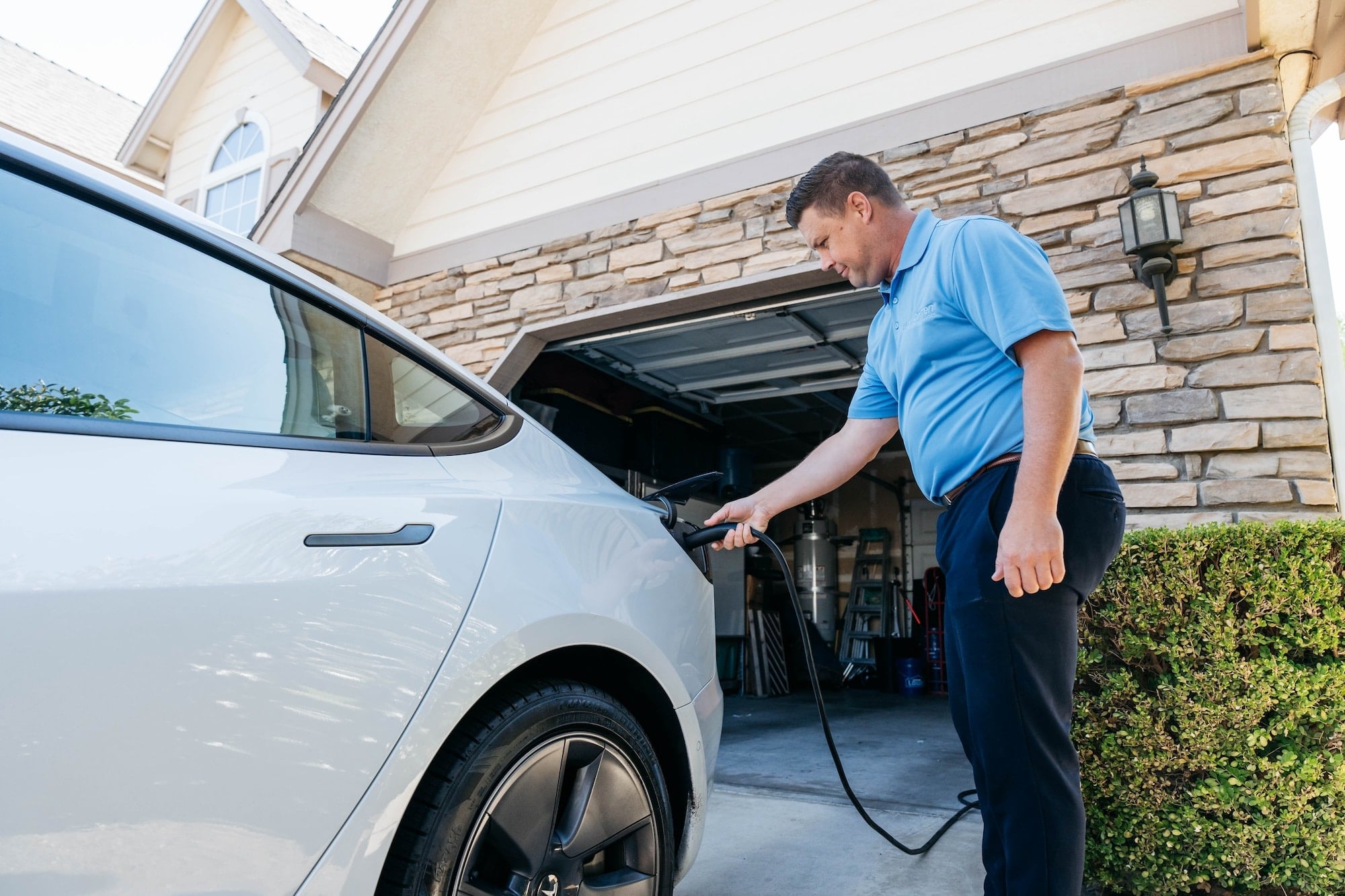
Looking for trusted EV charger installers to set up your EV charging station safely and efficiently? In this article, we’ll explore different types of EV chargers, walk you through the installation process, and help you choose the best installer for your needs.
Key Takeaways
- There are three main categories of EV chargers: Level 1, Level 2, and DC Fast Chargers, each with distinct characteristics and installation requirements.
- The EV charger installation process involves a site assessment, obtaining permits, performing the installation, and conducting thorough testing to ensure compliance with safety standards.
- Hiring a certified installer is crucial for safe and efficient EV charger installations, ensuring compliance with regulations and optimizing the investment.
Types of EV Chargers and Installation Requirements
Level 1 Chargers
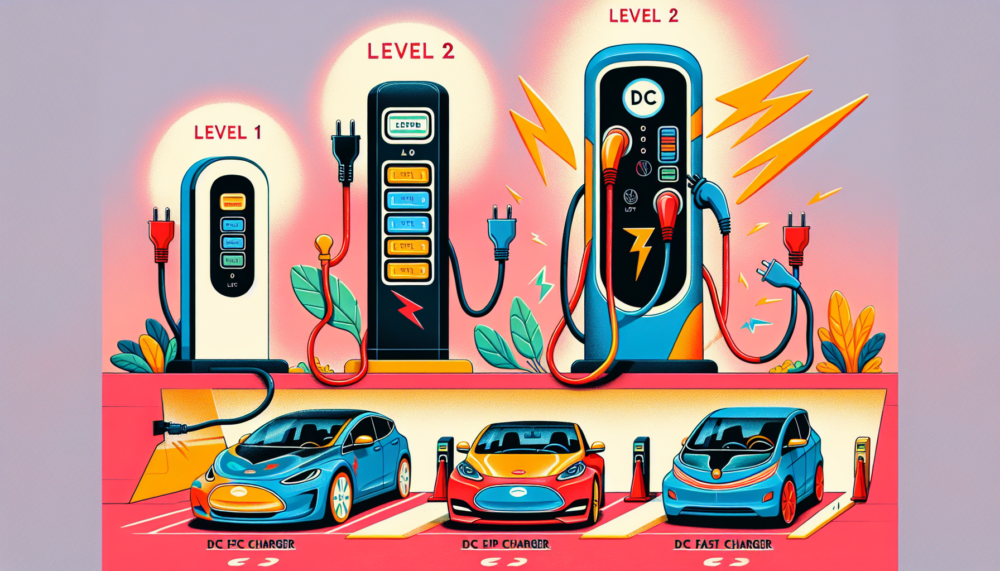
Level 1 chargers are the most basic type of EV chargers, using a standard 120V outlet to provide a charging speed rate of about 5 miles per hour. This makes them suitable for short daily commutes and for those who don’t drive long distances regularly. While the charging process is slower compared to other types, Level 1 chargers can be incredibly convenient for overnight charging at home. Working with an electrician for installing Level 1 chargers ensures safety and compliance. Charging at a slower rate with Level 1 chargers can extend the lifespan of EV batteries by up to 20%, making them a practical option for everyday use.Level 2 Chargers
Level 2 chargers are a step up from Level 1, offering significantly faster charging times. These chargers require a 240V outlet, which allows them to charge an EV much quicker, typically in about 4 to 8 hours. This makes Level 2 chargers a popular choice for both home installations and commercial settings in the Central Valley. Installing Level 2 chargers involves confirming the electrical system can handle the higher voltage and power requirements. This often means working with a professional to install the necessary wiring and outlets. The investment in a Level 2 charger can pay off in terms of convenience and efficiency, making it a worthwhile consideration for many EV owners.DC Fast Chargers
DC Fast Chargers, also known as Level 3 Chargers, are the fastest option available, capable of charging an electric vehicle in around 30 minutes. These chargers are designed for rapid charging, making them ideal for public charging stations and commercial use. However, their installation is more complex and generally requires professional assistance to meet safety and regulatory standards. The high power output of DC Fast Chargers can quickly charge an EV, but it also means that the electrical system needs to be robust and capable of handling the load. Consequently, the installation process is more complex and often requires significant infrastructure upgrades.Steps in the EV Charger Installation Process
Installing an EV charger involves several key steps to ensure a safe and efficient setup. These steps typically include a site assessment, obtaining permits, the actual installation, and final testing. Each step ensures the installation meets all safety and compliance standards. First, the site’s electrical capacity and proximity to the proposed charger location are evaluated. Next, the necessary permits are obtained, ensuring compliance with local building codes. After these preliminary steps, the installation takes place, followed by thorough testing to ensure proper functioning.Site Assessment
During the site assessment, the installer evaluates the best location for the charger, considering factors such as the distance from the electrical panel and local regulations. A proper load calculation is essential before installation to assess whether the existing electrical system can handle the additional demand. In many cases, existing electrical infrastructure, especially in older buildings or rural areas, may lack the capacity to support high-powered EV chargers and electrical vehicle charging needs. This step identifies any necessary upgrades to the electrical system for safely handling the new charger.Permitting and Compliance
Obtaining the necessary permits can significantly influence the installation timeline. Verifying local building codes and securing permits are crucial steps before commencing access installation. Adhering to local building codes ensures the legality of the installation and prevents potential legal issues. Professionals’ in-depth knowledge of regulatory compliance can prevent costly delays and legal issues during installation. Handling the permitting department process ensures the installation proceeds smoothly and meets all necessary standards.Installation and Testing
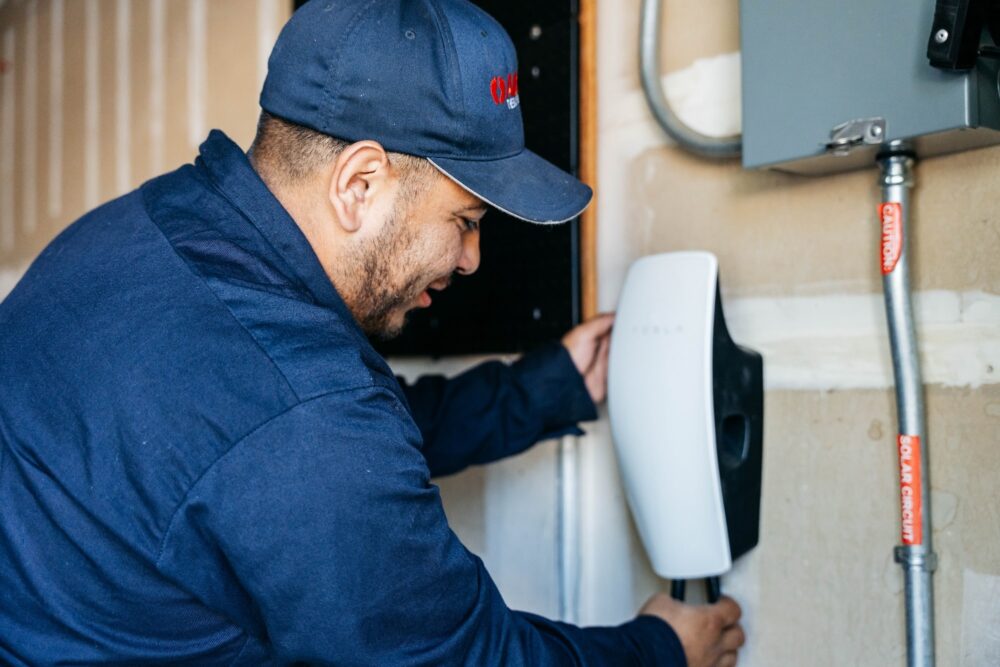
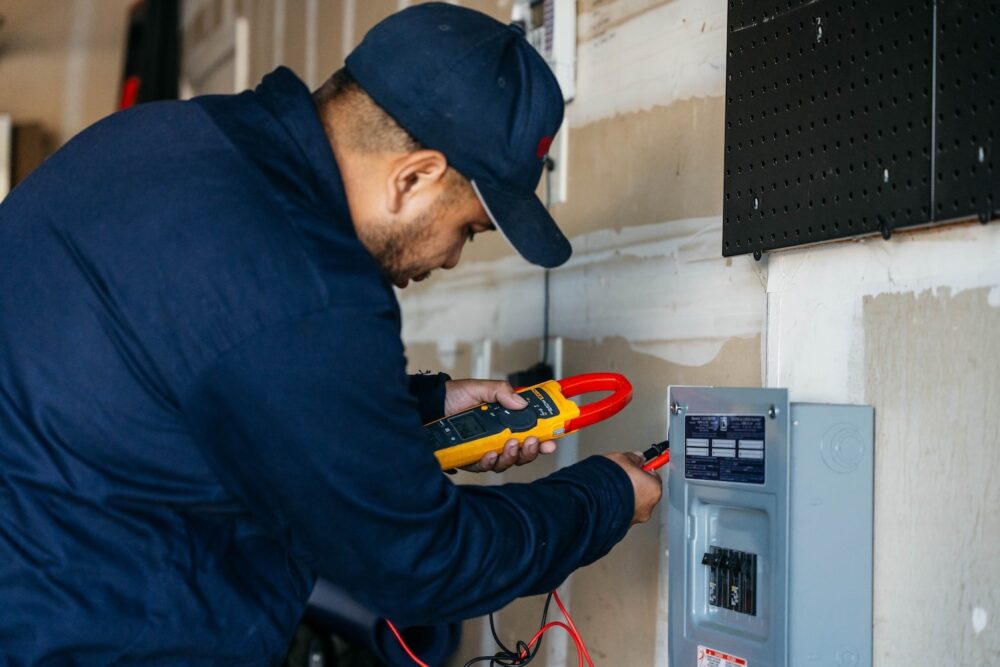
The installation phase includes detailed electrical work to connect the charger to the power supply. This involves ensuring all connections meet safety standards and the charger is properly integrated into the electrical system. After installation, a licensed electrician conducts tests to ensure the charger functions correctly and complies with safety standards. This final testing phase is crucial to confirm that the charger operates correctly and meets performance standards.Key Considerations for Businesses Installing EV Chargers
Benefits of Installing EV Chargers at Home
Installing an EV charger at home offers numerous advantages such as convenience, cost savings, and increased property value. Home EV chargers allow users to charge their vehicles overnight in the garage, providing convenience and eliminating the need for public stations. Home EV chargers can be more economical than public options, especially when utilizing renewable energy sources like solar or wind. Additionally, an EV charger can enhance a home’s value, making it more appealing to prospective buyers, especially Millennials.Choosing the Right EV Charger Installer