 Over 5,000 5-Star Ratings on Google!

 559-601-0833
Is Your Ultra Low NOx Furnace Too Noisy? Common Sounds Explained and When to Worry
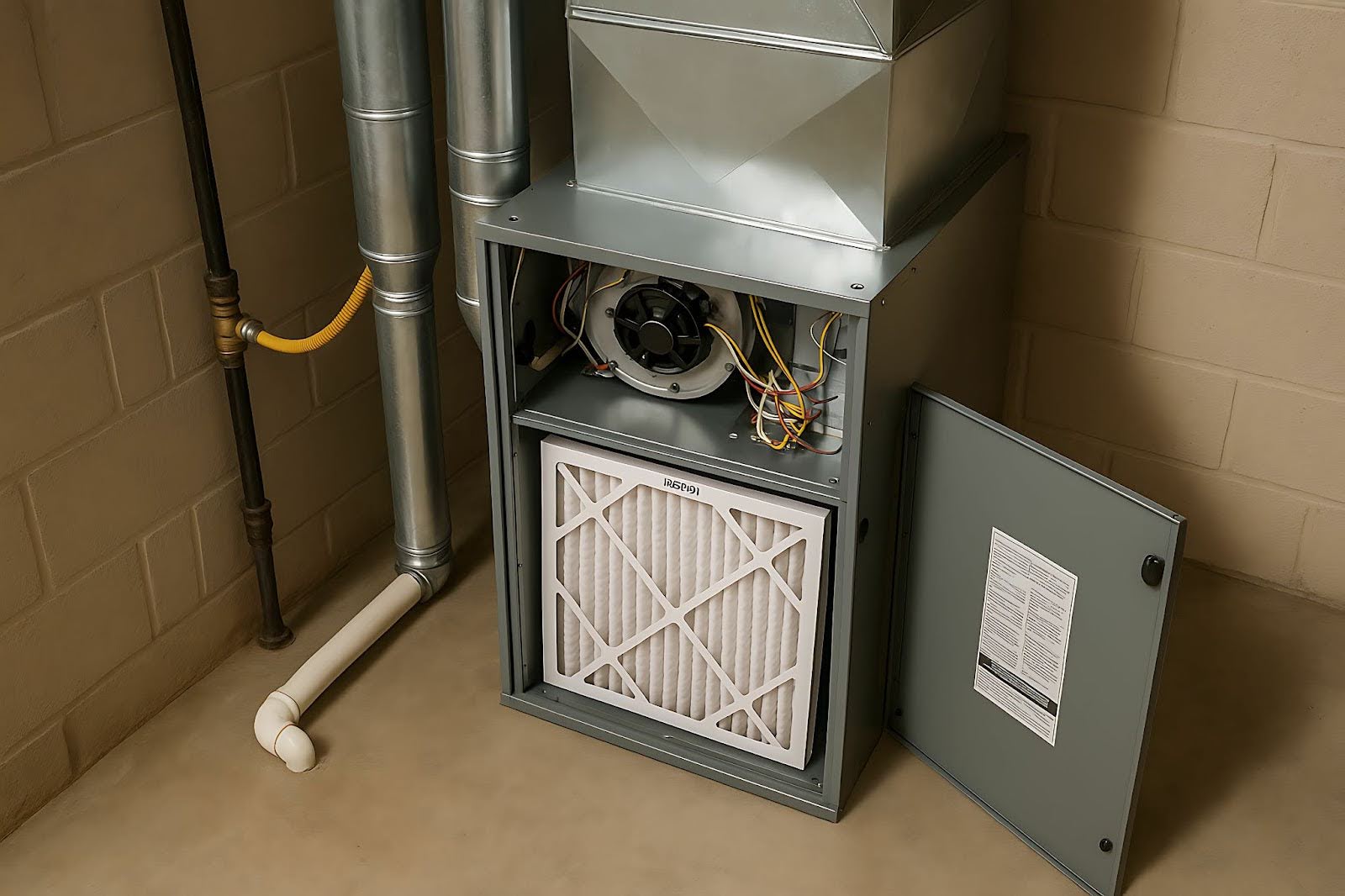
You upgraded to a California-compliant ultra-low NOx furnace to meet Central Valley air quality requirements, keeping your home warm and following the rules.
Now, your furnace makes noises your old system never did. Is this normal, or should you be concerned? Many Fresno and Central Valley homeowners notice these new sounds.
Here’s how to tell what’s typical operation and what might need attention.
Are Ultra Low NOx Furnaces Noisier Than Regular Furnaces?
Yes, ultra-low NOx furnaces can sound different and sometimes slightly noisier than older models. The technology that reduces emissions (premix burners, modulating gas valves, variable-speed blowers) operates differently than simple on-off systems in older furnaces. This creates new sounds that are often completely normal. Normal sounds include soft whooshing, gentle humming, and occasional clicking during startup. Problem sounds include loud banging, constant rattling, high-pitched squealing, or metal scraping. The key is understanding the difference between “different” and “wrong”. Your new furnace will sound different from your old one, but it shouldn’t disrupt your daily life or keep you up at night.Why Understanding Furnace Sounds Matters
Some unusual sounds can indicate gas flow issues or heat exchanger problems—both potential safety hazards. Other sounds signal mechanical failures that will only get worse if ignored. Early detection matters. A small rattling sound today could be a failed blower motor next month. Addressing issues during your warranty period protects your investment and gives you peace of mind.Why Ultra Low NOx Furnaces Sound Different
Ultra-low NOx furnaces use premix burner technology, creating a more controlled, turbulent combustion process. This reduces emissions but can make the furnace sound different from traditional models. Modulating gas valves adjust the flame continuously, and variable-speed blowers ramp up and down smoothly instead of running at one speed. These advanced features ensure your furnace meets California’s strict 14 ng/J emission standards. Different sounds are normal; they just take a little getting used to.Normal Ultra Low NOx Furnace Sounds
Soft Whooshing or Rushing Air
Your variable-speed blower adjusts airflow. Most noticeable during startup and shutdown. Should be consistent and smooth—not erratic.Gentle Humming
The blower motor and inducer fan create a low, steady hum. The pitch might change slightly as the blower modulates, but it should remain quiet.Brief Clicking
You’ll hear 3-5 clicks during startup as the gas valve opens and the igniter engages. It should last just a few seconds, then stop completely.Occasional Rumbling at Startup
A brief rumble during the first 10-15 seconds after ignition is common with premix burners. Once they settle in, the sound should become steady and quiet.Problem Sounds That Need Attention
Loud Banging or Booming. Usually means delayed ignition; gas is building up before igniting. Turn off your furnace and call for service immediately. This is a safety concern. Constant Rattling or Vibrating. Something is loose, such as panels, mounting hardware, or ductwork. While usually not dangerous, rattling should not be ignored. High-Pitched Squealing or Screeching. Blower motor bearing problems or belt issues. Schedule service soon before a small repair becomes a major replacement. Metal-on-Metal Scraping. Your blower wheel might be hitting the housing. Turn off your furnace and call for repair right away. Continuous Clicking. Brief clicking at startup is normal. Continuous clicking means your furnace cannot ignite, usually due to igniter, flame sensor, or gas valve problems.When to Call for Furnace Repair
Call Right Away If:- Banging, booming, or loud popping sounds
- You smell gas along with unusual sounds.
- Furnace won’t start or constantly cycles
- Any sound accompanied by no heat
- Squealing or screeching continues
- Rattling disrupts your daily activities.
- Sounds keep you awake at night.
- You’re not sure if what you’re hearing is normal.
- Sounds only during first few weeks after installation
- Very brief startup sounds that quickly settle
- Quiet whooshing or humming during operation