 Over 5,000 5-Star Ratings on Google!

 559-601-0833
Low NOx vs. Ultra Low NOx Furnaces: What California Homeowners Need to Know Before Buying
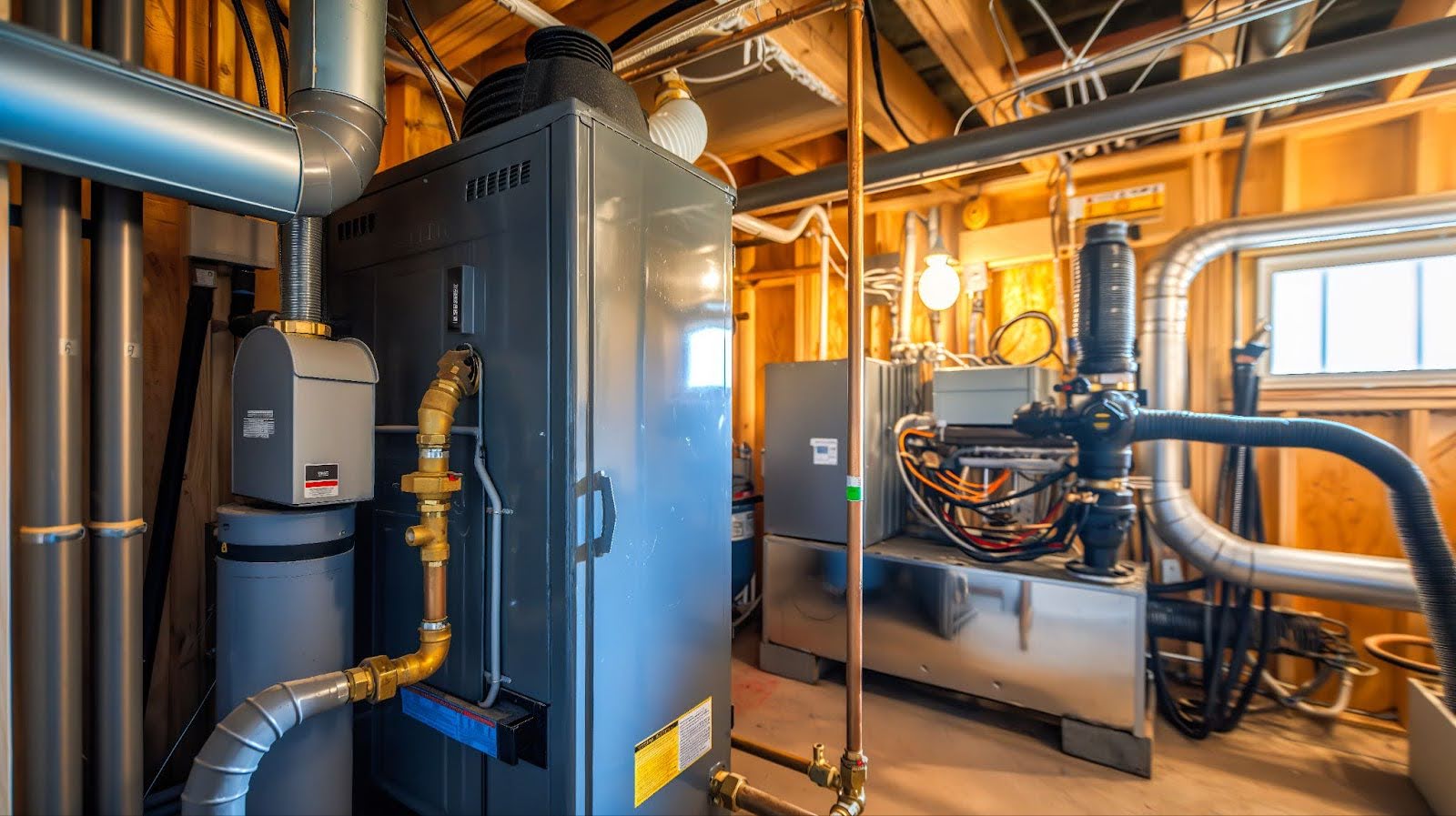
Is Your Next Furnace Even Legal in California?
If you’re replacing a furnace in Fresno or the Central Valley, you can’t just pick any model. California’s strict emissions standards require furnaces to meet the 14 ng/J ultra-low NOx limit. Choosing the right model isn’t just about compliance; it’s about keeping our air clean and protecting your family’s health.What Are California’s Ultra-Low NOx Furnace Requirements?
All new and replacement furnaces in the San Joaquin Valley, including Fresno, Clovis, and Madera, must meet the ultra-low NOx limit of 14 ng/J under Rule 4905, which has been in effect since 2019. Older “low NOx” models rated at 40 ng/J no longer comply with local regulations. Your HVAC contractor is responsible for ensuring your furnace meets these standards, and at Allbritten, we make sure every installation is fully certified and documented for compliance.Why the Central Valley Has Stricter Rules
The Central Valley’s geography traps air pollutants, and hot Fresno summers make the problem worse. NOx, or nitrogen oxides, directly contributes to ground-level ozone, the smog you see on hazy days, which affects everyone’s health, especially children and seniors. These stricter furnace regulations are not just environmental red tape; they help reduce emissions from thousands of homes, keeping our air cleaner for the whole community. Installing a non-compliant furnace isn’t an option, as it can result in fines and will eventually need to be replaced with a compliant system.Low NOx vs. Ultra-Low NOx: Understanding the Difference
NOx stands for nitrogen oxides, gases produced when fuel burns at high temperatures. Every gas furnace produces some NOx, but modern technology has drastically reduced these emissions. NOx is measured in nanograms per joule (ng/J), showing how much is released per unit of energy. Low NOx furnaces produce 40 ng/J of emissions. These were standard a few years ago but no longer meet Central Valley requirements. Ultra-low NOx furnaces produce just 14 ng/J, nearly 65% less pollution, and are required for compliance in our area. If someone tries to sell you a “low NOx” furnace, that is a red flag; make sure you’re getting ultra-low NOx.What Rule 4905 Means for Central Valley Homeowners
Rule 4905 applies to all residential furnace replacements and new installations throughout the San Joaquin Valley, including Fresno, Clovis, and surrounding communities. Even if your old furnace still works, any replacement must meet the 14 ng/J ultra-low NOx standard. Your HVAC contractor is responsible for installing certified ultra-low NOx furnaces and ensuring proper documentation for compliance. At Allbritten, we handle all the compliance details for you, staying up to date on local regulations to protect Central Valley families.How to Know If a Furnace Is Compliant
Don’t assume that any new furnace automatically meets California’s requirements. Here’s how to verify compliance: Look for certification. Compliant furnaces carry a South Coast Air Quality Management District (SCAQMD) certification mark. Check the specifications. The manufacturer’s documentation should clearly state 14 ng/J or lower. Ask your contractor. A reputable HVAC company will verify compliance before installation. Our friendly technicians at Allbritten always confirm that your furnace meets all current regulations. Review the approved list. The Air District maintains a list of certified models. Your contractor should reference this during your consultation. Never choose a furnace based on price alone without confirming it meets the ultra low NOx standard. A noncompliant bargain will cost you more in the long run.Heat Pumps: An Alternative Worth Considering
Electric heat pumps are a clean alternative that completely sidesteps NOx concerns, since they don’t burn fuel. As California pushes for cleaner energy, heat pumps are becoming increasingly popular for Central Valley homes. They offer multiple benefits:- zero emissions at home
- both heating and cooling in one system
- excellent energy efficiency
- potential rebates and incentives
- lower operating costs in many cases